



Installing solar panels involves more than mounting panels on a roof. A proper solar panel installation in Australia includes assessing your property, designing the right system, securing approvals, installing the equipment and connecting it safely to the grid.
When working with an experienced installer like Solar National, the entire process is handled professionally from system design through to final commissioning ensuring compliance with Australian standards and long-term performance.
Start with your roof and property suitability
Before choosing panels or pricing, your roof needs to be assessed.
A solar installer will evaluate:
- Roof orientation (north-facing is ideal in Australia)
- Roof angle and usable space
- Shading from trees or nearby buildings
- Roof condition and age
East- and west-facing systems can still perform well, especially when energy use is spread across the day. However, heavy shading can reduce output significantly, so it needs to be addressed early in the design stage.
If your roof requires repairs, it’s best to complete them before installing a rooftop solar system to avoid future removal costs.
Understand your energy usage
Solar systems should be designed around how your household or business actually uses electricity.
A professional installer will review your energy bills to determine:
- Daily energy consumption
- Peak usage times
- Seasonal variations
This is critical for both residential solar installation and commercial solar systems. For example, homes that use more power during the day benefit more from solar, while evening-heavy usage may justify adding battery storage.
Solar National focuses on tailoring system sizes to real usage patterns, helping avoid oversized or underperforming systems.
System design and site inspection
Once your usage and roof are assessed, the next step is a detailed system design.
During a site inspection, installers will:
- Measure roof dimensions
- Inspect your switchboard
- Plan cable routing
- Choose inverter placement
- Identify any installation challenges
At this stage, you should receive a clear proposal outlining:
- Number of solar panels
- Inverter type and capacity
- Estimated energy generation
- Expected savings
- Warranty details
This is also where decisions around solar battery installation or future upgrades are discussed.
Approvals and grid connection
Before installation begins, your system must meet local regulations and network requirements.
This may include:
- Grid connection approval
- Electrical compliance requirements
- Metering arrangements
A reputable provider like Solar National manages these steps on your behalf, ensuring your system meets all Australian standards and is approved for connection.
What happens on installation day?
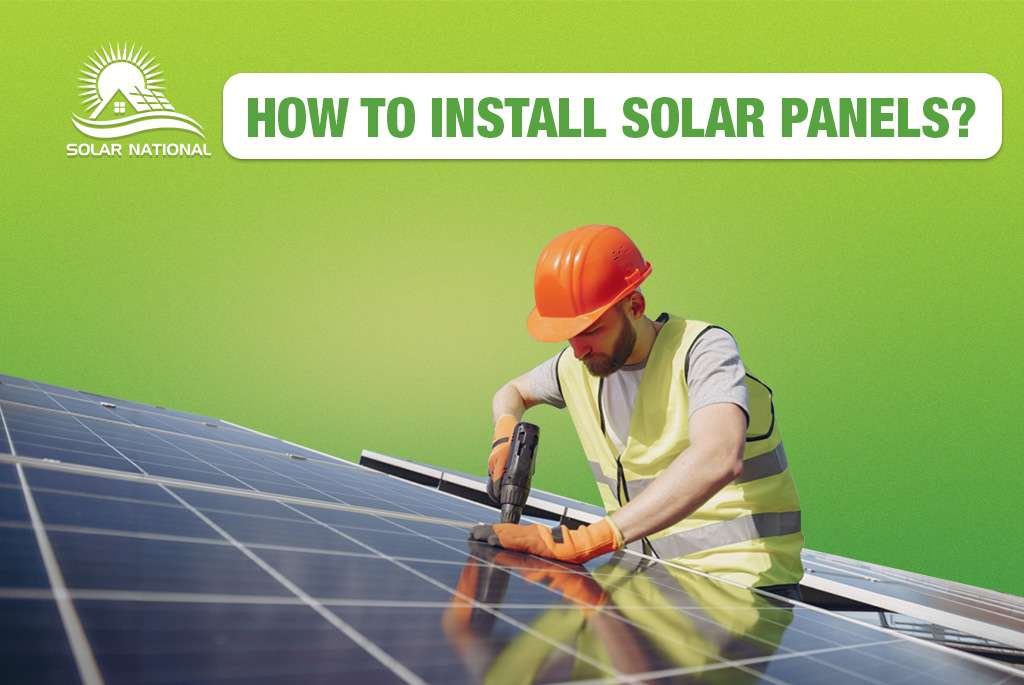
The physical installation is usually completed within one day for standard residential systems.
The process typically includes:
- Installing mounting brackets on the roof
- Attaching rails to support the panels
- Securing the solar panels in position
- Running electrical wiring
- Installing the solar inverter
- Connecting the system to the switchboard
The inverter is often placed in a shaded, accessible location such as a garage or external wall to maintain efficiency and lifespan.
For larger or more complex systems, including commercial solar installation or battery integration, installation may take longer.
Safety and compliance requirements
Solar installation is regulated electrical work in Australia and must meet strict safety standards.
Key requirements include:
- Installation by a licensed electrician
- Proper system grounding and protection
- Compliance with Australian Standards
- Accredited solar installer involvement
Solar Accreditation Australia now oversees installer accreditation, replacing previous frameworks. Always confirm your installer’s credentials before proceeding.
Testing and commissioning the system
After installation, the system is tested to ensure it operates safely and efficiently.
This stage includes:
- Electrical safety checks
- System performance testing
- Inverter configuration
- Monitoring setup
Most modern systems include apps that allow you to track energy production in real time.
Your system may not be fully operational until your electricity meter is updated or reconfigured by your energy provider.
How much does solar panel installation cost in Australia?
The cost of solar panel installation varies depending on system size, equipment quality and installation complexity.
Typical ranges:
- Small systems (3–5kW): lower upfront cost, suited for smaller homes
- Medium systems (6–10kW): most common for Australian households
- Larger systems (10kW+): suitable for high energy use or commercial setups
Costs are also influenced by:
- Panel and inverter brand
- Roof type and installation difficulty
- Whether a solar battery is included
- Available government incentives or rebates
A properly sized system delivers better long-term value than simply choosing the cheapest option.
Should you install a solar battery?
A solar battery stores excess energy generated during the day for use at night.
It’s worth considering if you:
- Use more electricity in the evening
- Want to reduce reliance on the grid
- Prefer energy independence
- Want backup during outages (with compatible systems)
However, batteries increase upfront costs, so the decision should be based on your usage patterns and long-term goals.
Solar National offers battery-ready systems, allowing homeowners to add storage later if needed.
Documentation and handover
After installation, you should receive all relevant documentation.
This typically includes:
- Certificate of Compliance for Electrical Work (CCEW)
- System manuals and warranties
- Shutdown and safety instructions
- System design and layout details
These documents are essential for maintenance, warranty claims and future property sales.
Can you install solar panels yourself?
Solar panel installation in Australia is not a DIY job.
Attempting to install a system yourself can:
- Breach electrical regulations
- Void warranties
- Create safety risks
- Prevent grid connection approval
Licensed and accredited professionals are required to ensure safe and compliant installation.
Final thoughts
Installing solar panels is a structured process that combines design, compliance and skilled installation. From assessing your roof to connecting the system to the grid, every step affects performance and long-term savings.Working with an experienced provider like Solar National ensures your solar system is designed correctly, installed safely and optimised for Australian conditions.